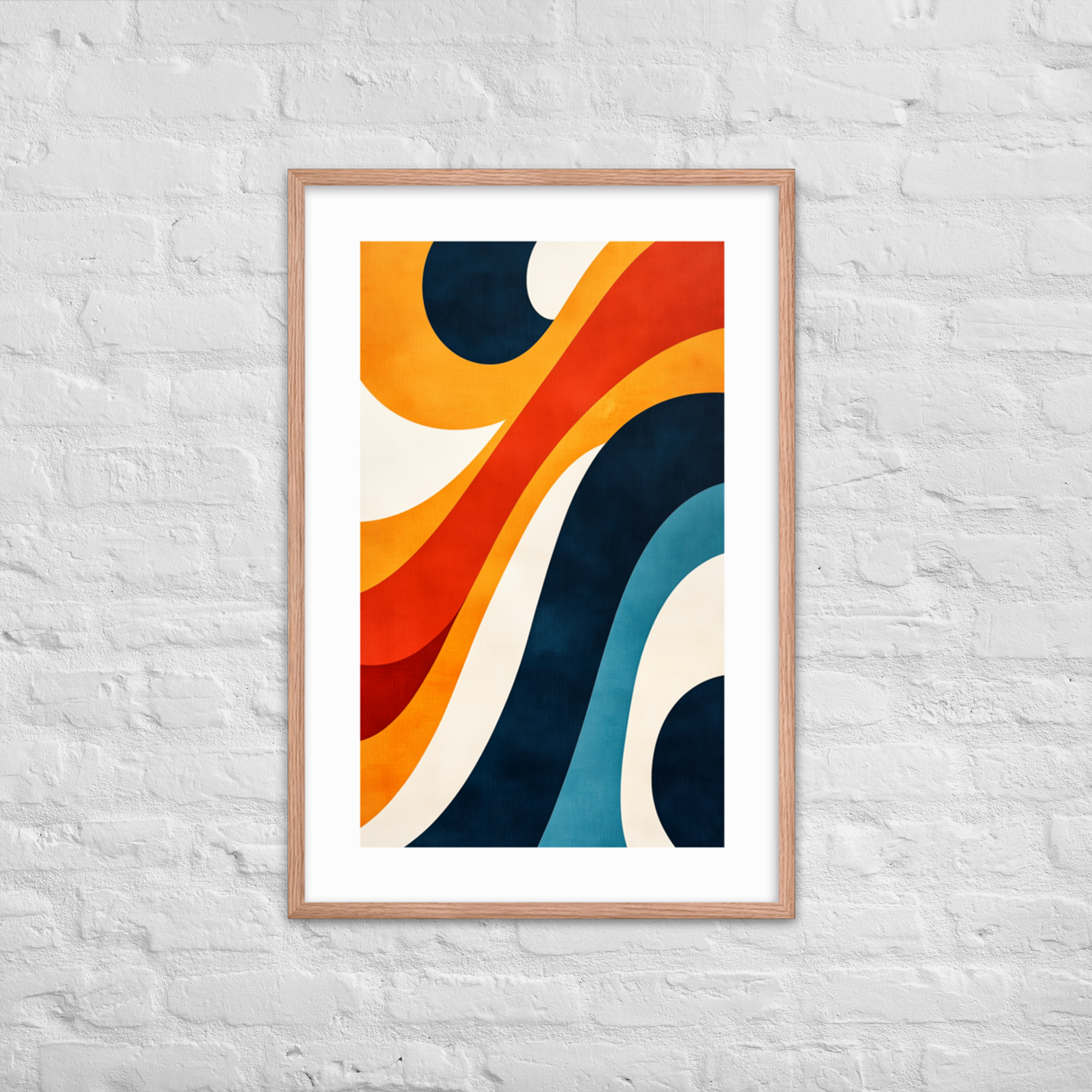
Some design movements flame bright and fade fast. Mid-century modern is not one of them. Seventy years after Charles Eames designed his plywood lounge chair and Florence Knoll organized the post-war American office, the aesthetic they developed continues to occupy the center of mainstream design. It appears in the furniture sections of every major retailer, in the hashtags of every design-forward social media account, and in the renovation choices of buyers who were not alive when the style was new. This persistence is not nostalgia. It is evidence that the design principles underpinning mid-century modernism were correct. They solved real aesthetic problems in ways that have not been superseded, and that distinction, between a period style and a design argument, is what separates MCM from the decorating movements that precede and follow it. For context on the movement’s historical roots, visit our design history post.
The Timeless Appeal of Clean Lines and Organic Forms
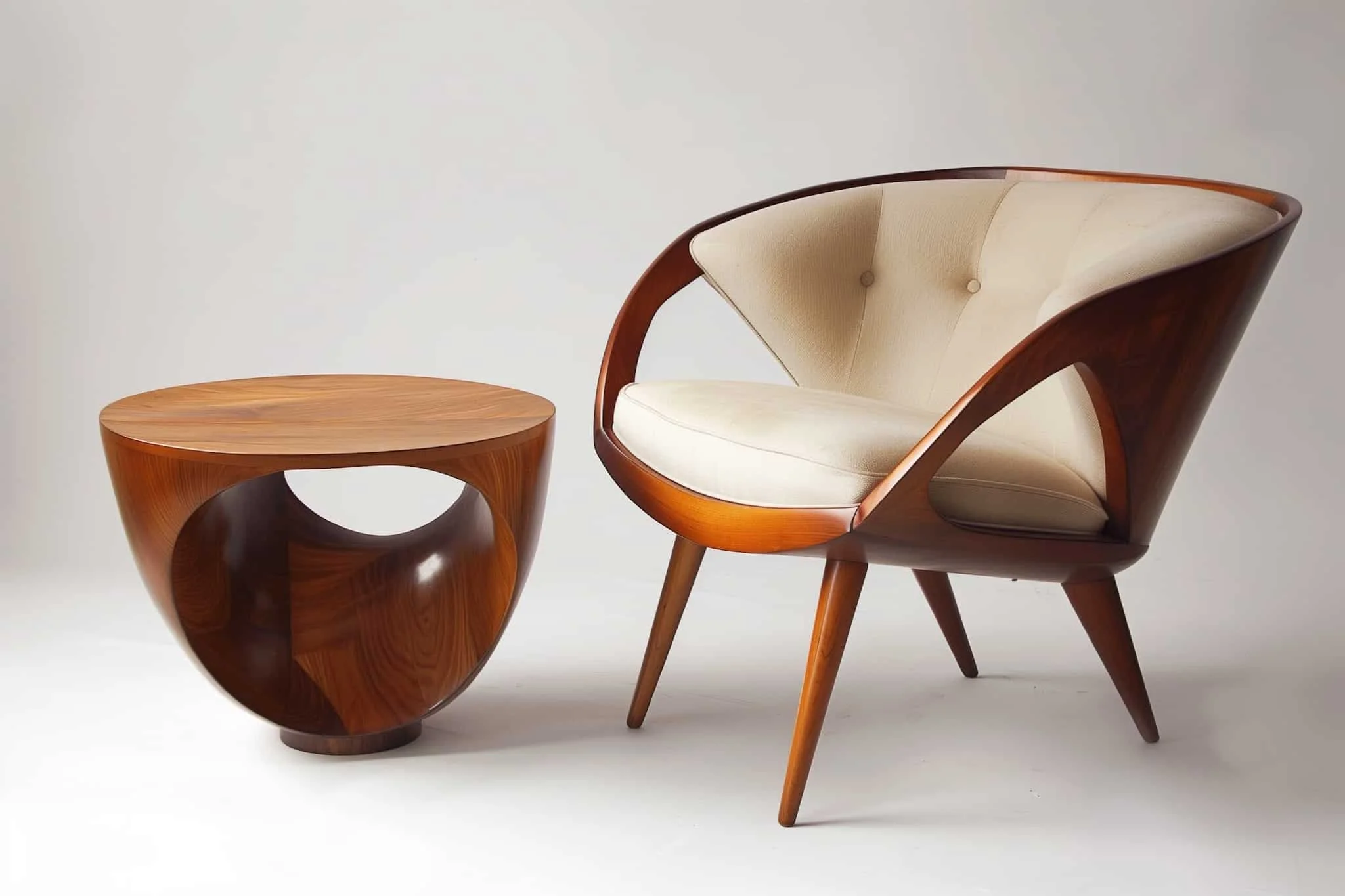
The defining visual characteristics of mid-century modern design are clean lines, organic forms, and an economy of ornament that was genuinely radical in its historical moment. The post-war years produced an outpouring of applied ornament as middle-class prosperity expanded: baroque moldings, gilt hardware, the florid surface decoration that characterized traditional furniture. MCM was a direct aesthetic argument against all of it.
The Eames chair, to take the most familiar example, has no unnecessary line. Every curve serves the body’s needs. Every joint is visible and honest about the material. The form derives entirely from the function, and the result is an object that reads as modern in every decade since it was designed, because it was never trying to look modern: it was trying to look right. That distinction is the key to understanding why the style endures rather than dates.
Clean lines do not go out of style because they are not a style: they are an argument for restraint, and that argument recurs in every generation. Contemporary design movements, from the Muji aesthetic to Scandinavian minimalism to the resurgent interest in craft objects, each represent a fresh version of the same underlying argument that mid-century modern first made in the 1940s and 1950s. MCM got there first and articulated it most completely, which is why every generation of minimalists eventually traces its lineage back to the same designers.
A Color and Pattern Language That Still Speaks
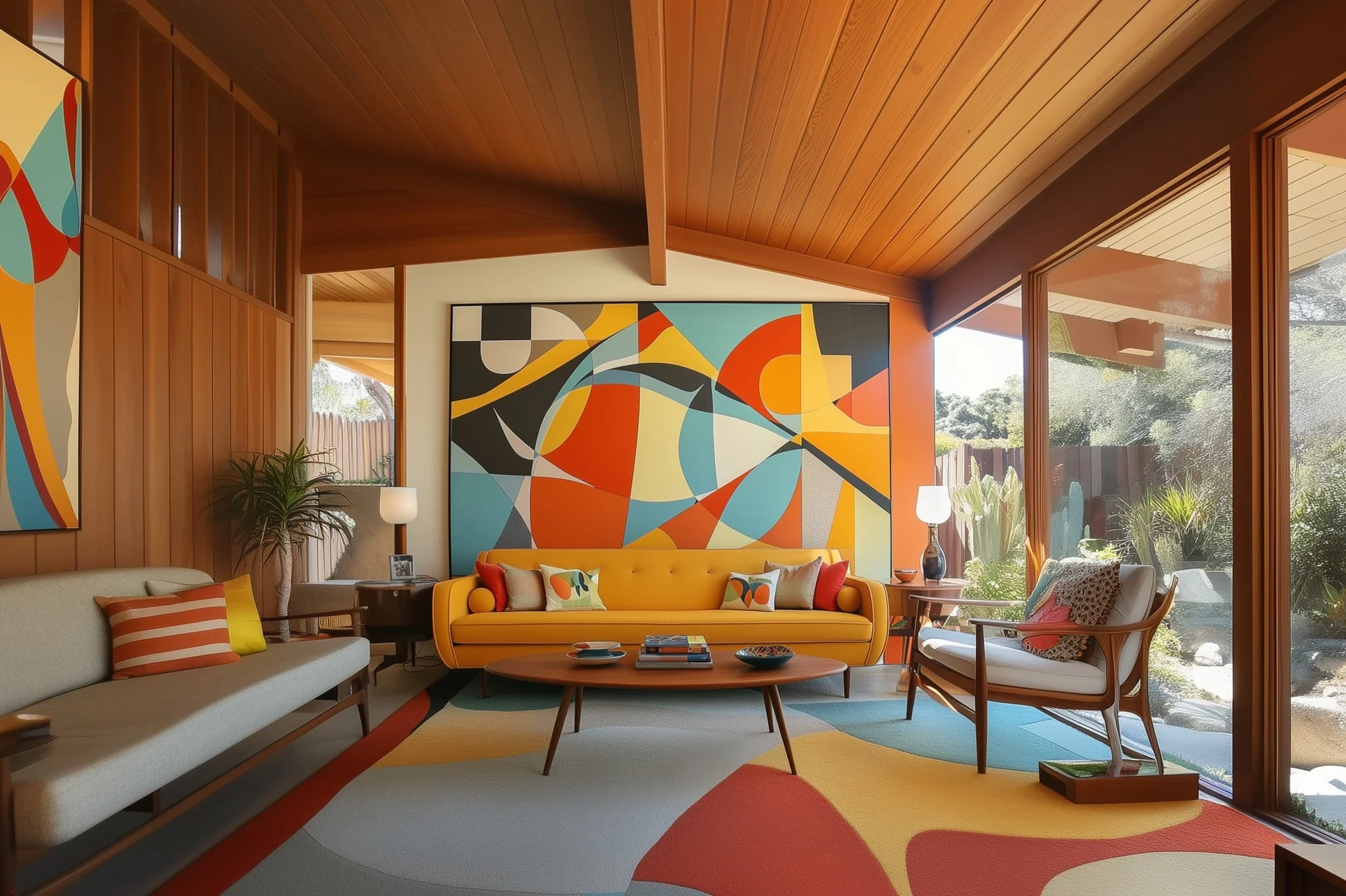
Mid-century modern color is neither aggressively bold nor timidly neutral. The palette sits in a specific register: warm ochres, muted terracottas, slate blues, avocado greens, and the dark neutral of walnut wood against which these accent colors define themselves. This palette is derived from natural materials: the grain of bent plywood, the warmth of woven wool, the cool of cast aluminum, the earthy richness of ceramic glazes from the studio pottery tradition that ran alongside the furniture movement.
The pattern language of the era is equally distinctive: the starburst, the boomerang curve, the atomic motif, the organic leaf form, the geometric grid derived from both Bauhaus principles and 1950s scientific imagery. These patterns carry the era’s ambitions, the belief that science and nature could share a visual vocabulary, that a starburst was both an artistic motif and an expression of nuclear-age excitement, that a botanical form and a geometric form could belong to the same conversation.
What makes this palette and pattern language endure is flexibility. They read as vintage in a restored mid-century home and read as simply correct in a contemporary apartment with white-painted walls. The geometric collection at Mid Mod Style demonstrates this range most directly: prints that feel at home in a renovated 1960s ranch house and equally at home in a new-build apartment with engineered hardwood floors and IKEA shelving.
Sustainability and the MCM Approach to Less but Better
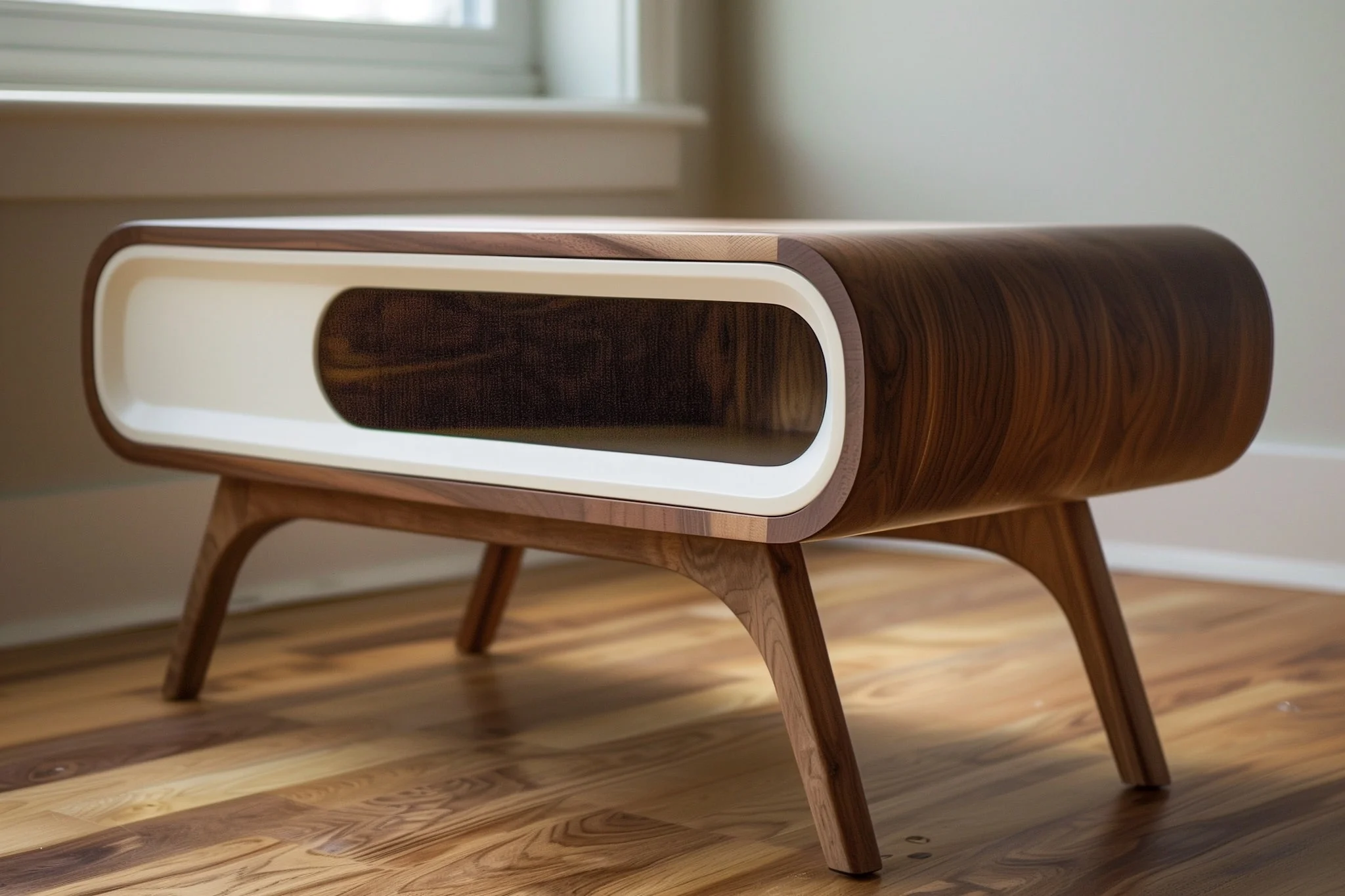
The mid-century modern design ethic was not primarily about aesthetics, though the aesthetics are what we remember. It was about an approach to making objects: fewer materials, used with greater honesty; forms derived from function; longevity as a design value rather than an afterthought. Charles Eames described the design process as the identification of constraints and the discovery of the best possible solution within them. That constraint-driven method produced objects that could not be improved by ornament because every decision was structural, not decorative.
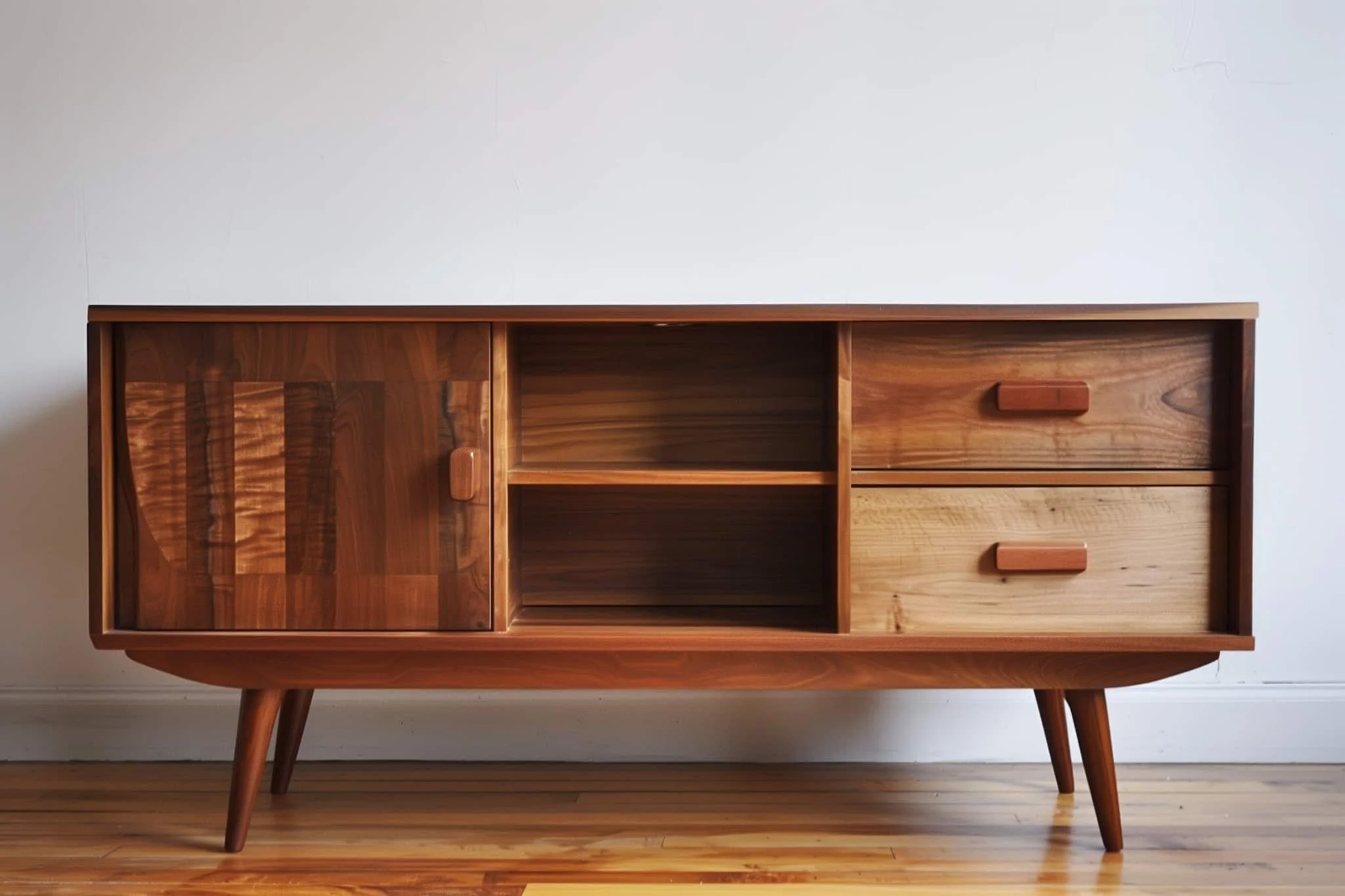
This ethic resonates in a contemporary design culture that is increasingly interested in sustainability and durability as values rather than marketing claims. The impulse to buy less but choose more carefully, to invest in a print that will still be right on your wall in twenty years rather than needing to be replaced when a trend passes, is an MCM impulse. It runs directly counter to the fast-home-furnishing culture that defined the early 2000s and is experiencing its own correction.
The endurance of mid-century modern is, in part, the market recognizing that the sustainable choice and the beautiful choice are sometimes the same choice. The designers of the 1940s and 1950s understood this before the language of sustainability existed. They were designing for permanence because permanence was a design value, and objects designed for permanence tend to hold their relevance longer than objects designed for the moment.
MCM on Social Media: Why the Aesthetic Translates to Every Platform
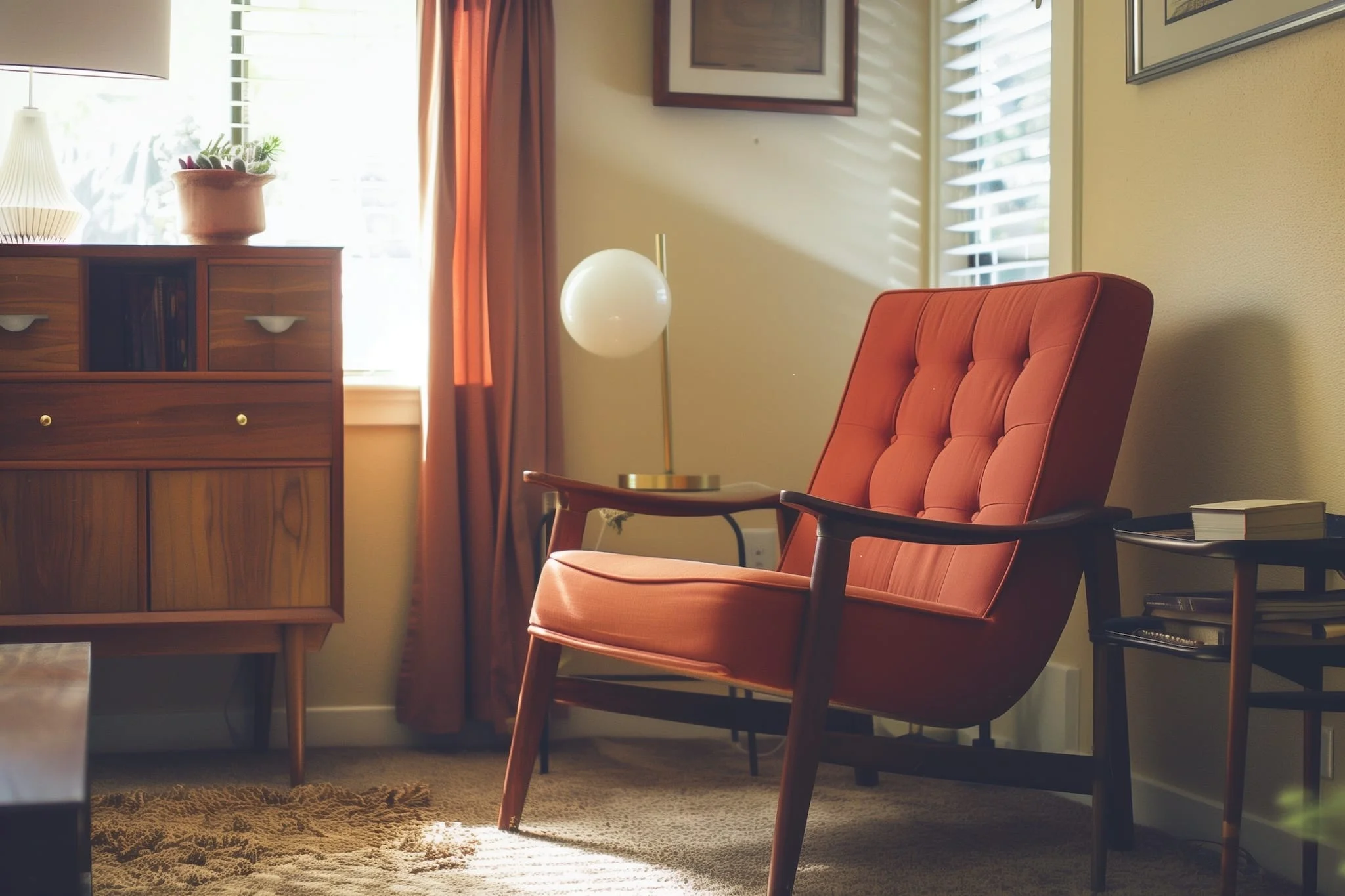
The mid-century modern revival of the past fifteen years is inseparable from the visual economy of social media. Instagram, Pinterest, and TikTok are platforms built on images, and images require strong visual compositions. MCM delivers: the bold starburst graphic, the walnut credenza against a white wall, the Eames chair in a flood of afternoon light, are images that compress beautifully into a square format and carry across a feed of otherwise ordinary photographs. The MCM aesthetic was built for graphic reproduction long before social media existed, because it emerged from a culture of graphic design, magazine photography, and the mass-produced image.
The pattern of discovery is consistent across platforms: a buyer encounters a design-forward interior on TikTok or a styled apartment on Instagram, registers the aesthetic as interesting without necessarily knowing its name, begins to explore boards and accounts organized around mid-century modern decor, and ends up searching for specific objects that embody the look. Art prints are often the first purchase in this sequence. They are accessible in price relative to furniture, they arrive ready to frame and hang, and they transform the visual register of a room without the cost or commitment of replacing furniture. The visual logic of MCM is legible in a print in a way that is harder to achieve with a single piece of furniture.
How to Bring MCM Style Home Without Full Furniture Investment
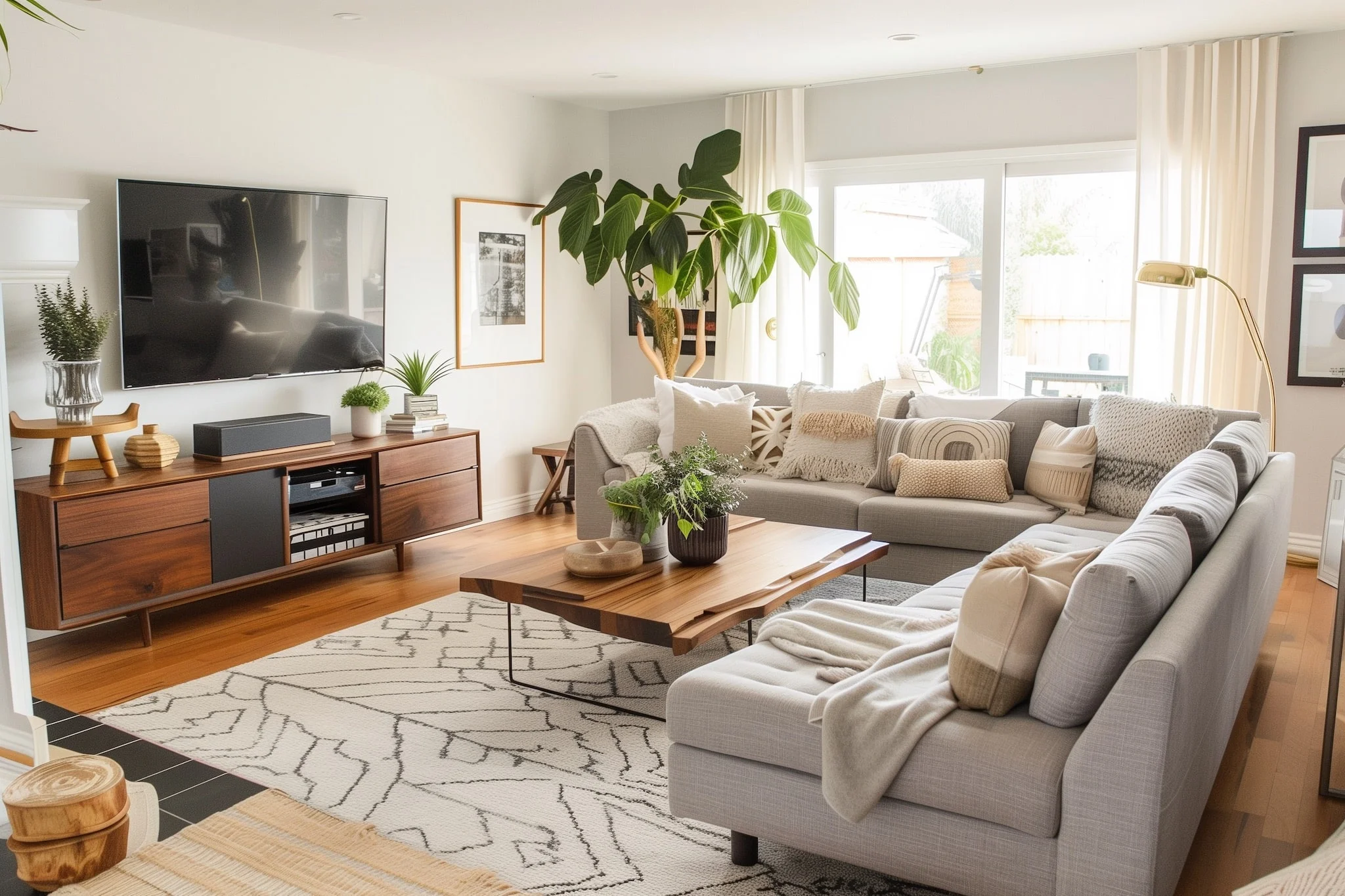
The most practical reason mid-century modern endures as a popular style is accessibility. The MCM pieces that command the most recognition, an authentic Eames lounge chair, an original Isamu Noguchi table, a vintage Hans Wegner armchair, also command prices that remove them from most buyers’ practical consideration. This would limit the style’s audience if it were dependent on acquiring period furniture.
It is not dependent on that. The visual language of mid-century modern, its color palette, its graphic pattern vocabulary, its boldness in composition, translates directly into wall art in ways that remain completely faithful to the movement’s principles. A print that carries the geometric precision of a 1950s textile, framed in natural walnut and hung above a sofa, brings the aesthetic into a room without requiring the furniture to agree. The print does the work of declaring the room’s visual allegiance, and the furniture can meet it wherever it is.
This is the design argument for art prints as an entry point into the MCM interior: they can anchor a room in a visual tradition without demanding that every other element conform to it first. You do not need to own a period credenza to hang a starburst print above the one you do own. You need the print and the judgment to frame it correctly.
Explore the Collection
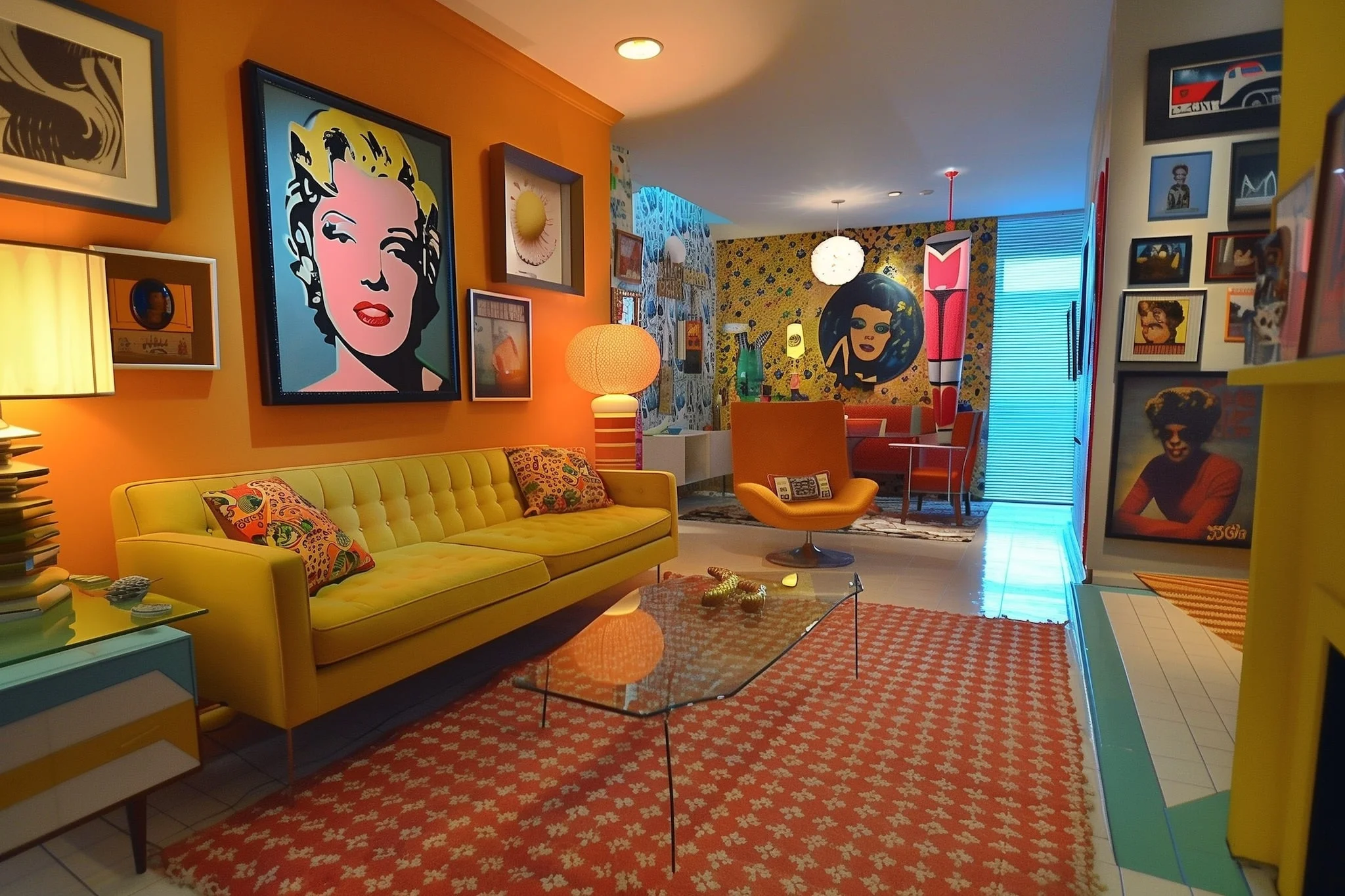
The mid-century modern style endures because the underlying argument, that functional beauty is more durable than ornamented approximation, keeps being proved right. Every generation that encounters it recognizes something correct in it, whether or not they can name the movement. Our job is to make that argument concrete in the form of prints that belong in the tradition and live well on the walls of homes that may have no other MCM objects at all.
For a complete guide to our collections and how each fits different rooms and aesthetics, visit The Complete Guide to Mid-Century Modern Art Prints.